Easy Miso Soup Recipe- Quick & Delicious Japanese Comfort
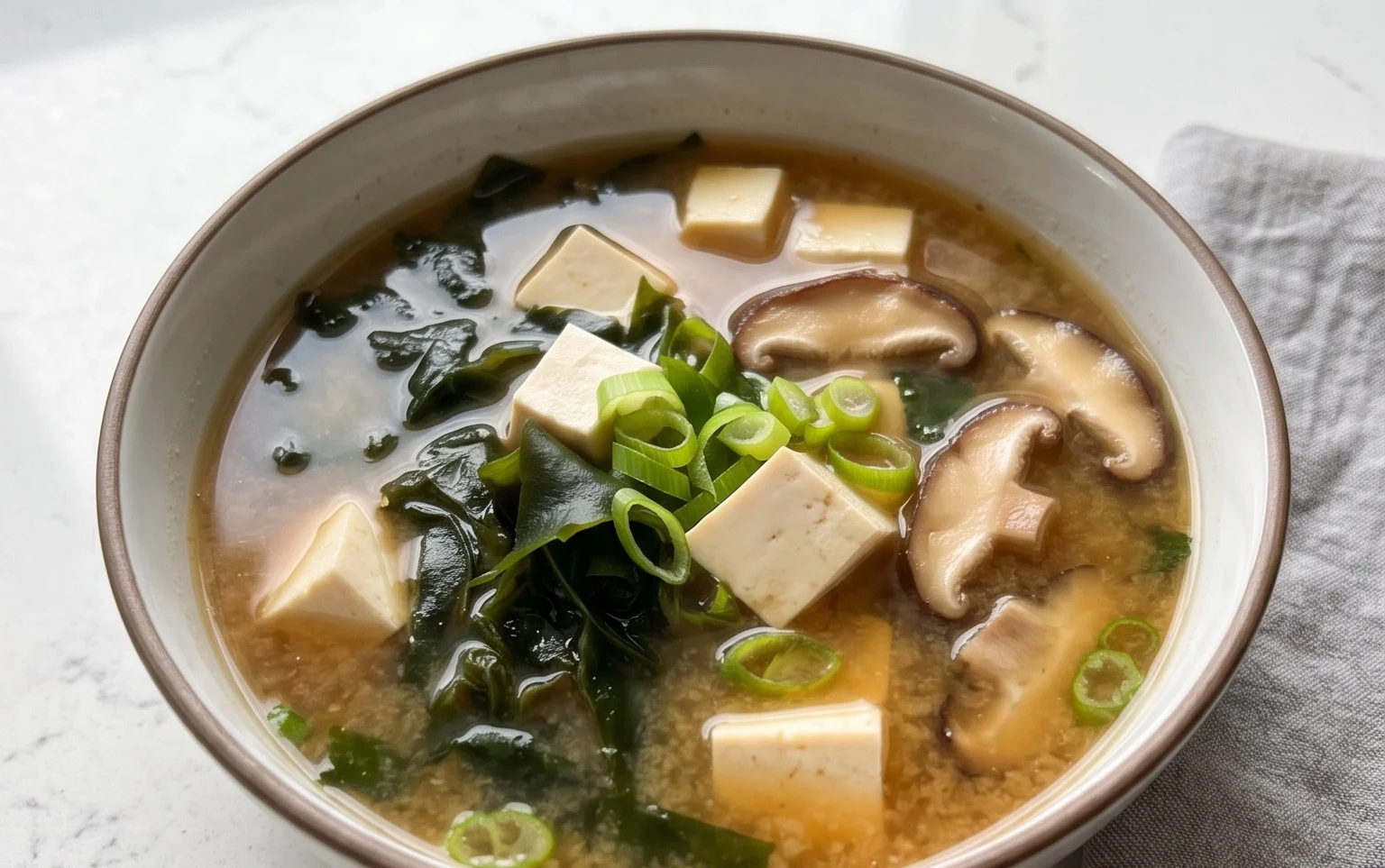
Miso soup recipe is more than just a starter; it’s a warm hug in a bowl, a comforting embrace that instantly transports me to a cozy culinary haven. There’s a reason why this humble yet profound dish is a staple in Japanese cuisine and a beloved offering worldwide. Its magic lies in its deceptive simplicity, a delicate dance of umami-rich ingredients that create a surprisingly complex flavor profile. For me, making miso soup from scratch is a ritual, a moment of quiet intention before sharing a meal. It’s the perfect antidote to a chilly evening or a delightful way to awaken the palate before the main course. The earthy depth of the miso paste, combined with the subtle sweetness of dashi and the tender additions, offers a satisfying, nourishing experience that’s both grounding and uplifting. Let’s dive into crafting your own perfect bowl of miso soup recipe goodness!
Why You’ll Love This Miso Soup Recipe
A Taste of Tradition, Simplified
Miso Soup Recipe
There’s something incredibly comforting and soul-soothing about a warm bowl of miso soup. It’s a staple in Japanese cuisine for a reason – it’s quick to make, wonderfully flavorful, and packed with goodness. This recipe is my go-to for a simple yet authentic miso soup that I can whip up on even the busiest weeknights. It’s the perfect appetizer to a Japanese meal or a light and satisfying lunch on its own. The beauty of miso soup lies in its simplicity and the ability to customize it to your liking. While this recipe provides a classic base, don’t hesitate to experiment with other additions like mushrooms, spinach, or even a swirl of sesame oil once you get the hang of it. Let’s dive into making this delicious and restorative soup!
Ingredients:
Cooking Instructions:
The magic of miso soup happens quickly, so it’s best to have all your ingredients prepped and ready before you begin extract. This ensures a smooth and enjoyable cooking process.
1. Prepare the Dashi and Rehydrate the Seaweed
Begin extract by bringin extractg your 2½ cups of Dashi to a gentle simmer in a medium saucepan. While the Dashi is heating up, take your dried seaweed and place it in a small bowl. Cover the dried seaweed with a little bit of warm water and let it soak for about 5-10 minutes. This process will rehydrate the seaweed, making it soft and edible. Once rehydrated, drain any excess water and give the seaweed a gentle squeeze to remove moisture. If your seaweed pieces are quite large, you can chop them into smaller, bite-sized pieces now. This step is crucial because dried seaweed expands significantly, and you want it to be pleasantly chewy, not overwhelmingly large.
2. Add the Tofu and Simmer
Once your Dashi has reached a gentle simmer (you don’t want a rolling boil, as this can affect the delicate flavor of the miso later), carefully add the pre-cut silken tofu pieces to the pot. Gently stir them in, ensuring they are submerged in the hot Dashi. Let the tofu simmer for about 2-3 minutes. This short simmering time allows the tofu to warm through and absorb some of the savory Dashi flavors. Silken tofu is very delicate, so handle it with care to avoid breaking it apart too much. You want distinct little cubes of tender tofu in your soup.
3. Incorporate the Seaweed
After the tofu has had a chance to warm up, it’s time to add the rehydrated seaweed to the pot. Stir it in gently with the tofu and Dashi. Allow the mixture to simmer for another 2-3 minutes. This brief period lets the seaweed soften further and release its subtle oceanic flavor into the broth. The seaweed will add a lovely texture and a boost of nutrients to your miso soup. Be mindful not to overcook the seaweed, as it can become too soft and lose its appealing chegrape juicess.
4. Dissolve the Miso Paste
This is perhaps the most critical step in making delicious miso soup. You never want to boil your miso paste, as excessive heat destroys its delicate flavor and beneficial enzymes. Take a ladleful of the hot Dashi mixture from the pot and place it in a small bowl. Add your miso paste to this bowl. I usually start with 2 tablespoons and then add more if needed, as the strength of miso paste can vary. Stir the miso paste into the hot Dashi from the ladle using a whisk or a fork until it is completely smooth and lump-free. This process of diluting the miso paste in a separate liquid before adding it to the main pot ensures that it dissolves evenly and doesn’t clump in your soup.
5. Finish and Serve
Once your miso paste is fully dissolved and smooth in the small bowl, carefully pour this mixture back into the main saucepan containing the Dashi, tofu, and seaweed. Stir gently to combine everything. Allow the soup to heat through for just another minute or so, being careful not to let it reach a boil. The soup should be hot but not boiling. Taste the soup and adjust the amount of miso paste if necessary to achieve your desired saltiness and depth of flavor. Finally, ladle the hot miso soup into individual bowls. Garnish generously with the chopped scallions. The fresh, bright flavor and vibrant green color of the scallions provide a wonderful contrast to the savory soup. Serve immediately and enjoy the comforting warmth!
Conclusion:
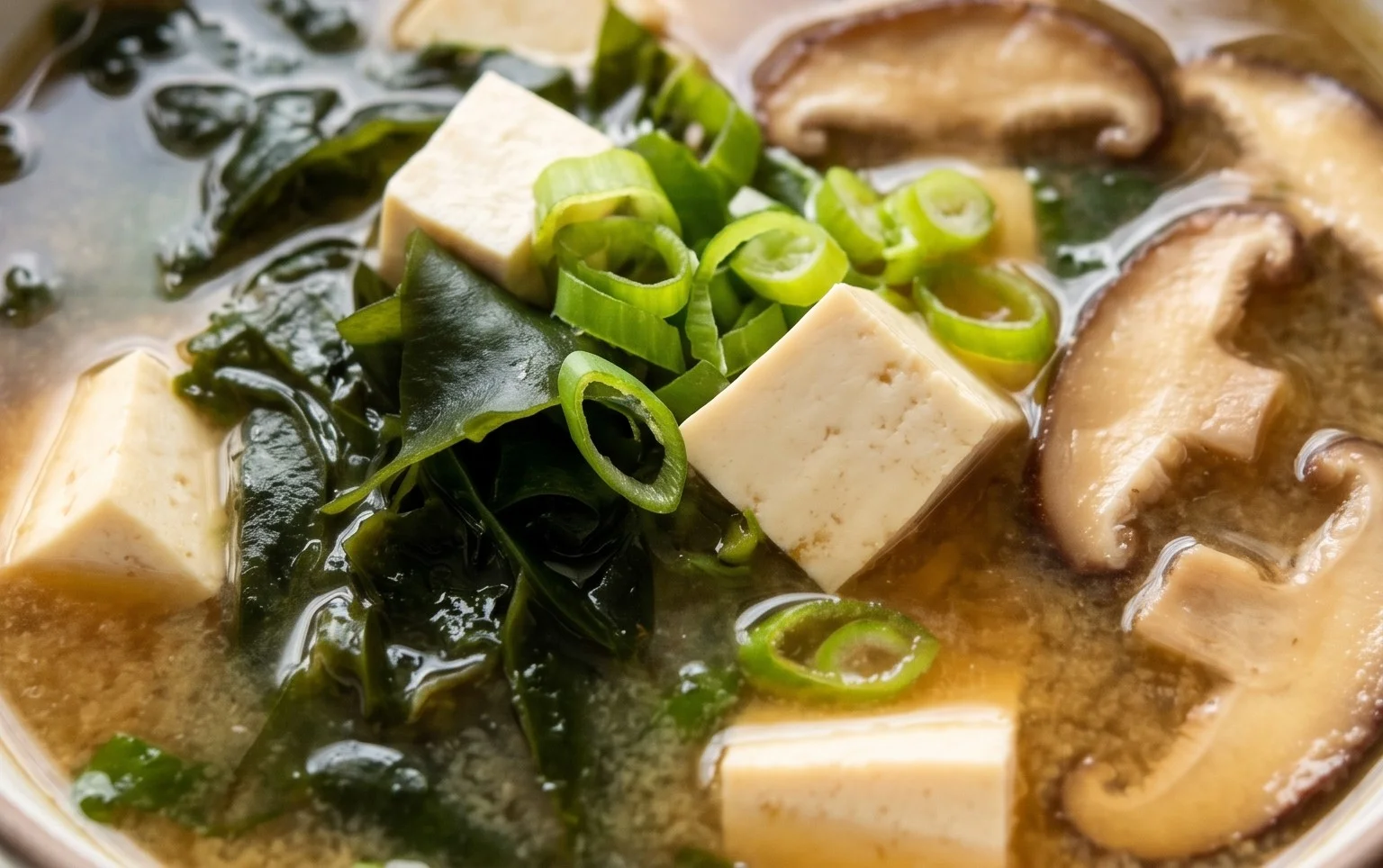
There you have it – a wonderfully simple yet deeply satisfying Miso Soup recipe that’s perfect for any occasion. This recipe is fantastic because it’s incredibly quick to prepare, making it an ideal choice for a healthy weeknight meal or a comforting starter. The umami-rich flavor of miso, combined with the delicate dashi broth, creates a taste that’s both complex and incredibly soothing. I truly encourage you to give this Miso Soup recipe a try; you might be surprised at how easy it is to achieve such authentic flavor at home!
For serving suggestions, this versatile soup shines on its own as a light meal, or it makes an excellent accompaniment to sushi, grilled fish, or rice bowls. Don’t be afraid to experiment with variations! Consider adding silken tofu for extra protein, a sprinkle of toasted sesame seeds for added crunch, or even a few drops of chili oil for a touch of heat. You can also swap out the standard wakame for other dried seaweeds or add fresh spinach or bok choy in the final moments of cooking.
Frequently Asked Questions about Miso Soup:
What kind of miso paste should I use?
You can use red, white, or awase (mixed) miso paste. White miso is milder and sweeter, perfect for begin extractners. Red miso is more robust and savory, while awase offers a balance of both. Experiment to find your favorite!
Can I make miso soup ahead of time?
While it’s best enjoyed fresh, you can prepare the dashi broth and have your other ingredients ready. Add the miso paste and delicate ingredients like tofu and seaweed just before serving to preserve their flavor and texture.
Is miso soup healthy?
Absolutely! Miso is a fermented food rich in probiotics, vitamins, and minerals. It’s a wonderfully nutritious and low-calorie option.
Miso Soup Recipe
A simple and comforting classic Japanese miso soup.
Ingredients
-
2½ cups Dashi
-
1 heaping tablespoon dried seaweed
-
4 oz silken tofu (cut into small pieces)
-
2-2½ tablespoons miso paste (or to taste)
-
1 tablespoon scallion (chopped)
Instructions
-
Step 1
Bring the Dashi to a simmer in a saucepan over medium heat. -
Step 2
Add the dried seaweed and simmer for 2-3 minutes until rehydrated. -
Step 3
In a small bowl, whisk the miso paste with a ladleful of the hot Dashi until smooth. -
Step 4
Stir the dissolved miso mixture back into the saucepan. -
Step 5
Gently add the silken tofu pieces to the soup. Do not boil after adding miso. -
Step 6
Serve immediately, garnished with chopped scallions.
Important Information
Nutrition Facts (Per Serving)
It is important to consider this information as approximate and not to use it as definitive health advice.
Allergy Information
Please check ingredients for potential allergens and consult a health professional if in doubt.