Mix and Match Pesto Recipe- Easy Versatile Flavors
The mix and match pesto recipe is your passport to vibrant flavor! Forget those pre-made jars; we’re diving headfirst into a world of customizable deliciousness. What’s not to love about pesto? It’s fresh, herbaceous, and unbelievably versatile, instantly elevating pasta, sandwiches, grilled vegetables, and so much more. But what truly makes our approach to a mix and match pesto recipe special is its inherent adaptability. This isn’t a rigid set of instructions; it’s a delightful culinary playground! We’ll explore classic basil foundations and then venture into exciting ingredient swaps, allowing you to tailor your pesto perfectly to your mood, what’s in your fridge, or even the season. Get ready to unlock a universe of pesto possibilities, all with a simple, intuitive mix and match pesto recipe framework. Let’s create some magic!
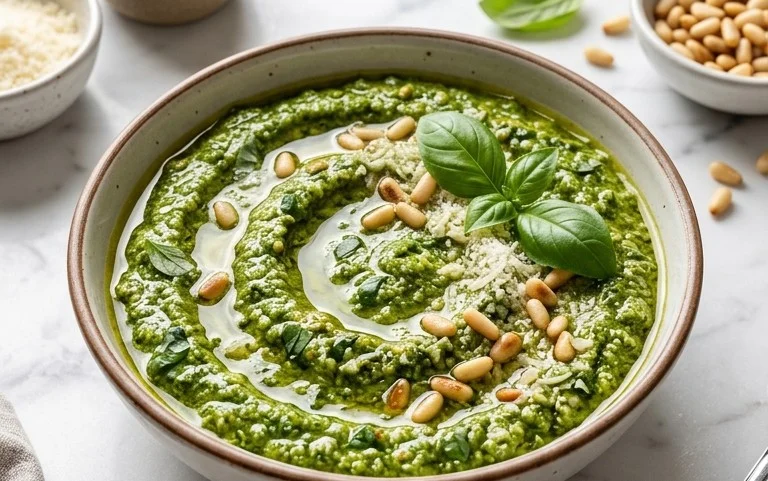
The Ultimate Mix-and-Match Pesto Recipe: Your Go-To for Flavorful Freedom
Tired of the same old pesto? What if I told you that the vibrant, herbaceous sauce you adore is incredibly versatile and can be customized to your heart’s content? That’s right, we’re diving into the world of mix-and-match pesto. This isn’t just a recipe; it’s a blueprint for endless flavor combinations, allowing you to create a pesto that perfectly suits your palate and whatever ingredients you have on hand. Forget rigid rules; this is about embracing your inner chef and having fun with fresh, delicious ingredients. Whether you’re a seasoned cook or just starting out, this adaptable pesto recipe is designed to be your new best friend in the kitchen.
Ingredients:
Crafting Your Custom Pesto: Step-by-Step
The beauty of this mix-and-match pesto lies in its simplicity and the sheer number of delicious avenues you can explore. Let’s get started on building your perfect sauce.
1. Prepare Your Aromatics and Greens: Begin extract by peeling your garlic cloves. The quantity of garlic is a great starting point for customization; if you love a punchy garlic flavor, go with three cloves. If you prefer it milder, two will do perfectly. Next, it’s time to choose your greens. This is where the “mix-and-match” truly shines. You can stick to the classic basil for that traditional pesto taste. However, don’t be afraid to experiment! A combination of spinach and arugula offers a peppery bite with a touch of sweetness. Mint and cilantro can create a wonderfully refreshing, almost Thai-inspired pesto. Even a small amount of nutrient-rich greens like knon-alcoholic ale (you might want to blanch this briefly first for a more tender result) or the more unusual non-non-non-alcoholic alternativeic non-alcoholic ale (which adds a subtly earthy and malty note) can be incorporated. Wash and thoroughly dry your chosen greens. Excess water will make your pesto watery, so a salad spinner is your best friend here. Pack them loosely into your measuring cup to get your 2 to 3 cups.
2. Toast Your Nuts (Optional, but Enhances Flavor): While not strictly necessary, toasting your nuts can elevate the flavor of your pesto significantly. If you’ve chosen pine nuts, almonds, walnuts, or pistachios, place them in a dry skillet over medium-low heat. Stir them frequently until they become fragrant and lightly golden brown. This process brings out their natural oils and adds a deeper, nuttier complexity to the pesto. Be watchful, as nuts can burn quickly! Once toasted, let them cool completely before proceeding. If you’re in a rush, you can skip this step, and your pesto will still be delicious.
3. Combine and Pulse in the Food Processor: Gather your prepared ingredients and place the peeled garlic cloves, your chosen nuts, and your packed greens into the bowl of a food processor. If you’re using the optional lemon juice, you can add it now, or save it for the very end to adjust brightness. Pulse the ingredients a few times until they are roughly chopped. This initial pulsing breaks down the tougher greens and nuts, making it easier for the blades to process everything into a smooth paste. Don’t over-process at this stage; we want some texture.
4. Emulsify with Olive Oil and Cheese: Now, it’s time to introduce the olive oil and Parmesan cheese. With the food processor running on a low setting, slowly drizzle in the 1/4 cup of extra virgin extract olive oil through the feed tube. You’re looking for the mixture to start coming together, forming a cohesive paste. You may need to stop the processor occasionally to scrape down the sides of the bowl with a spatula, ensuring all the ingredients are incorporated evenly. Add the grated Parmesan cheese. This adds that essential salty, savory depth that defines pesto. Continue to process until the pesto reaches your desired consistency. Some people prefer a chunkier pesto, while others like it smoother. Add more olive oil, a tablespoon at a time, if you want a silkier, more fluid sauce.
5. Season and Adjust to Perfection: This is the crucial final step where you truly make the pesto your own. Taste your pesto and season it generously with salt and freshly ground black pepper. Remember that Parmesan cheese is already salty, so start with a smaller amount of salt and add more as needed. If you didn’t add the lemon juice earlier, now is the perfect time to squeeze in the juice from half a lemon. The acidity brightens all the flavors and cuts through the richness of the oil and cheese. Give it a final pulse to incorporate these seasonings. If the pesto seems a little too thick for your liking, a small splash of water or a bit more olive oil can loosen it up. Taste again and make any final adjustments. The beauty of this recipe is its adaptability – don’t hesitate to add a pinch of red pepper flakes for a little heat, or a touch more lemon zest for an extra citrusy kick.
Serving Suggestions and Storage
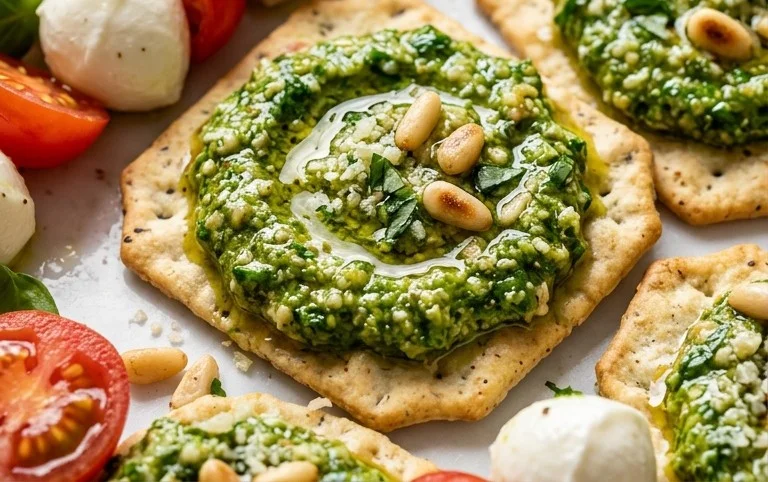
Once your custom pesto is ready, it can be used in countless ways! Toss it with your favorite pasta for an instant classic. Spread it on sandwiches or wraps for a burst of flavor. Use it as a dip for fresh vegetables or as a marinade for chicken or fish. You can even swirl it into soups or sauces to add a gourmet touch.
To store your pesto, transfer it to an airtight container. To prevent oxidation and maintain its vibrant green color, pour a thin layer of olive oil over the surface of the pesto before sealing the container. It will keep in the refrigerator for up to a week. For longer storage, you can freeze pesto in ice cube trays. Once frozen, transfer the cubes to a freezer bag for convenient portions. Enjoy your flavorful creations!
Conclusion:
So there you have it – your guide to creating a truly versatile and personalized pesto! The beauty of this mix and match pesto recipe lies in its adaptability. You’re not just following a rigid set of instructions; you’re empowered to tailor it to your exact taste preferences and what you have on hand. Whether you’re craving a bright, nutty flavor or something more robust and herbaceous, the possibilities are practically endless. I absolutely love how quickly it comes together, making it perfect for weeknight meals or impromptu gatherings. Don’t be afraid to experiment with different nuts, herbs, and cheeses to discover your signature blend!
This vibrant pesto is a cbeef hameleon in the kitchen. It’s fantastic tossed with pasta, of course, but also works wonders as a spread for sandwiches and wraps, a flavorful dollop on grilled chicken or fish, or even stirred into scrambled eggs. Consider adding a swirl to homemade pizza dough before baking for an extra layer of deliciousness. The core idea is to have fun with it and make it your own. I encourage you to give this mix and match pesto recipe a try and see just how many delicious ways you can enjoy it.
Frequently Asked Questions:
Can I freeze this pesto?
Absolutely! Pesto freezes beautifully. Once you’ve made your desired mix and match pesto, portion it into ice cube trays and freeze until solid. Then, transfer the pesto cubes to a freezer-safe bag or container. This is a fantastic way to have homemade pesto on hand all year round. Thaw overnight in the refrigerator or gently warm a cube or two before serving.
What if I don’t have pine nuts?
No problem at all! Pine nuts are traditional, but they can be expensive and aren’t always readily available. You can easily substitute them with other nuts like walnuts, almonds, cashews, or even sunflower seeds. Each will lend a slightly different flavor and texture to your pesto, so feel free to experiment and find your favorite nut-free or alternative nut option!
Mix and Match Pesto Recipe
A versatile pesto recipe where you can customize the greens and nuts to your liking.
Ingredients
-
2 to 3 garlic cloves, peeled
-
2 cups packed greens (e.g., spinach, basil, arugula, parsley)
-
1/4 cup nuts (e.g., pine nuts, almonds, walnuts)
-
1/4 cup extra virgin olive oil, plus additional
-
1/2 cup grated Parmesan cheese
-
salt, to taste
-
pepper, to taste
-
juice from 1/2 a lemon (optional)
Instructions
-
Step 1
In a food processor, combine the garlic cloves and nuts. Pulse until finely chopped. -
Step 2
Add the packed greens to the food processor. Pulse until the greens are finely chopped and incorporated with the garlic and nuts. -
Step 3
With the food processor running, slowly drizzle in the 1/4 cup of extra virgin olive oil until the pesto is smooth and well combined. Add more olive oil if a thinner consistency is desired. -
Step 4
Add the grated Parmesan cheese, salt, and pepper to the food processor. Pulse a few more times to combine. -
Step 5
If using, add the lemon juice and pulse briefly to incorporate. -
Step 6
Taste and adjust seasoning with more salt, pepper, or lemon juice as needed.
Important Information
Nutrition Facts (Per Serving)
It is important to consider this information as approximate and not to use it as definitive health advice.
Allergy Information
Please check ingredients for potential allergens and consult a health professional if in doubt.