Easy Chimichurri Sauce – Flavorful Fresh Herb Dip
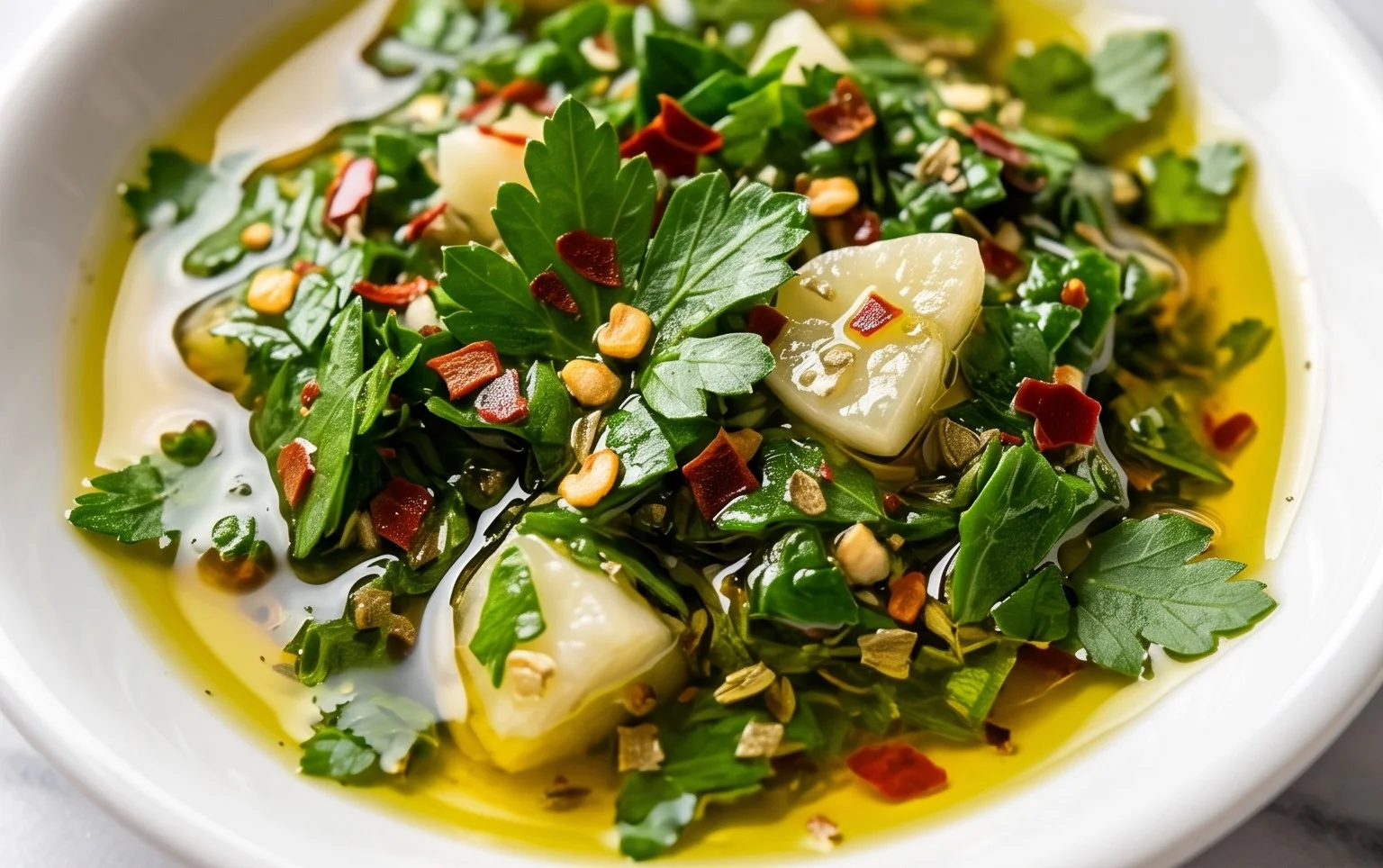
Chimichurri sauce is more than just a condiment; it’s a vibrant explosion of fresh flavor that has the power to transform any meal. If you’ve ever savored a perfectly grilled steak or enjoyed a tender roasted chicken with a bright, herbaceous drizzle, chances are you’ve experienced the magic of chimichurri. This Argentinian staple is universally loved for its zesty, garlicky punch and its ability to cut through richness, making everything it touches sing. What makes chimichurri so special? It’s the simple, beautiful harmony of fresh parsley and oregano, infused with garlic, red grape juice vinegar, and a hint of chili. It’s incredibly versatile, incredibly easy to make, and I’m so excited to share how you can bring this incredible chimichurri sauce into your own kitchen.
The Vibrant Heart of Argentinian Grilling: My Go-To Chimichurri Sauce Recipe
There are some sauces that simply elevate a dish from good to unforgettable, and for me, chimichurri is at the top of that list. This bright, herbaceous, and slightly zesty Argentinian condiment is incredibly versatile, but it truly shines when slathered over grilled meats. Imagin extracte a perfectly seared steak, juicy and smoky, then a generous dollop of this vibrant green sauce. It’s a flavor explosion that cuts through the richness and adds a refreshing counterpoint.
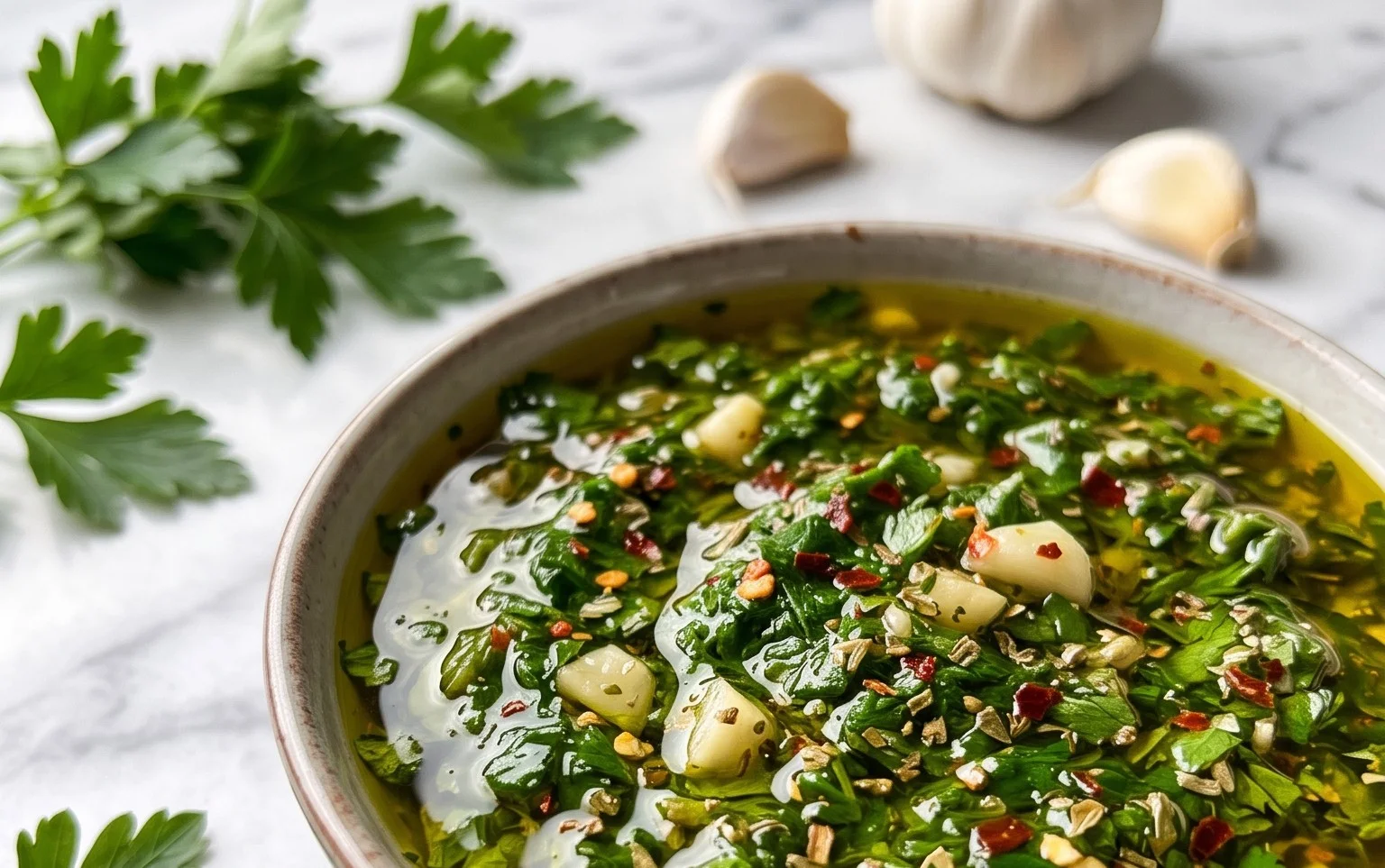
The beauty of chimichurri lies in its simplicity and the freshness of its ingredients. It’s not cooked, which means all those wonderful aromatics and herbs retain their vibrant flavor and color. This recipe is my tried-and-true version, honed over countless barbecues and impromptu gatherings. It strikes a perfect balance between the herbaceous notes of parsley and cilantro, the subtle bite of red onion and garlic, and the tang of vinegar and lemon.
Ingredients:
Crafting Your Chimichurri Masterpiece
Making chimichurri is more of an assembly than a complex culinary process. The key is to chop your ingredients finely and allow the flavors to meld. Here’s how I bring this delicious sauce together:
Step 1: Preparing the Herbaceous Foundation
First, we need to get our herbs prepped. Wash and thoroughly dry your fresh parsley and cilantro. It’s crucial that they are dry to prevent your chimichurri from becoming watery. You can use a salad spinner for this or pat them dry with paper towels. Once dry, remove any tough stems from the parsley and cilantro. For the oregano, if you’re using fresh, remove the leaves from the stems. Then, finely chop all the herbs. You’re looking for a texture that’s not too finely minced, where you can still see the distinct pieces of herb. This will give your chimichurri a beautiful rustic texture.
Step 2: Finely Dicing the Aromatics
Next, let’s tackle the red onion and garlic. Finely mince the garlic cloves. The smaller you mince them, the more readily their pungent flavor will infuse into the sauce. For the red onion, you want to dice it as finely as possible. If you’re using a whole small red onion, you might not need all of it, depending on your preference for onion intensity. Alternatively, a shallot offers a milder, sweeter onion flavor that also works wonderfully. Aim for a very small dice, similar in size to your minced garlic. The goal here is to have these flavor powerhouses dispersed evenly throughout the sauce.
Step 3: Bringin extractg it All Together in a Bowl
In a medium-sized bowl, combine your finely chopped parsley, cilantro, and oregano. Add the minced garlic and finely diced red onion (or shallot) to the bowl. Now, it’s time for the acidic elements. Pour in the red grape juice vinegar and fresh lemon juice. The vinegar provides a nice tang, while the lemon juice adds a bright, fresh lift. Stir everything together gently to start incorporating the flavors. This is also a good time to add your initial pinch of salt and the red pepper flakes, if you’re using them. Remember, you can always add more salt later, so start conservatively.
Step 4: The Emulsification: Adding the Olive Oil
This is where the magic really happens, creating that beautiful, emulsified sauce. Slowly drizzle in the olive oil while whisking continuously. You can use a whisk or a fork for this. You don’t need to be aggressive; just a steady drizzle and consistent whisking will help the oil and the acidic ingredients emulsify, creating a harmonious blend rather than separate layers. Continue adding the olive oil until it’s all incorporated. The sauce should start to thicken slightly and take on a lovely, vibrant green hue. I like to use a good quality extra virgin extract olive oil as its flavor will be present in the final sauce.
Step 5: The Crucial Resting and Tasting Phase
Now for perhaps the most important step: letting the flavors meld. Once everything is mixed, cover the bowl (or transfer to an airtight container) and let it sit at room temperature for at least 30 minutes. This resting period is crucial. It allows all those fresh herbs and aromatics to release their oils and flavors into the vinegar, lemon juice, and olive oil, creating a more complex and integrated taste. After resting, taste your chimichurri. This is where you adjust the seasoning. Does it need more salt? A touch more vinegar for zing? A few more red pepper flakes for heat? Don’t be afraid to tweak it until it’s perfect for your palate. If you find it a bit too sharp, you can always add a tiny bit more olive oil.
Enjoy your homemade chimichurri sauce! It’s fantastic on grilled steak, chicken, fish, or even drizzled over roasted vegetables. You can store it in an airtight container in the refrigerator for up to a week, though its flavor is best within the first few days.
** Note: Extra virgin extract olive oil will provide the best flavor, but a good quality regular olive oil will also work.
Conclusion:
And there you have it – your guide to creating the most vibrant and flavorful chimichurri sauce! This recipe is fantastic because it’s incredibly fresh, bursting with herbaceous notes and a delightful tang that elevates almost any dish. Its simplicity belies its power to transform ordinary meals into something extraordinary. I’ve found it’s perfect drizzled over grilled steaks, chicken, or fish, but don’t stop there! It’s also amazing as a dip for roasted vegetables, a topping for tacos, or even stirred into scrambled eggs for a zesty breakfast. The versatility of this classic Argentinian sauce is truly its superpower.
I encourage you to gather your fresh herbs and give this chimichurri sauce a try. Experiment with the spice level by adjusting the red pepper flakes to your liking. You can even play around with different vinegars – red grape juice vinegar is traditional, but sherry vinegar vinegar or even a good quality apple cider vinegar can offer interesting twists. Once you’ve mastered this basic recipe, you’ll find yourself reaching for it time and time again. Get ready to impress yourself and your guests with this amazing condiment!
Frequently Asked Questions:
Can I make chimichurri sauce ahead of time?
Absolutely! In fact, chimichurri sauce often tastes even better after it has had a chance to sit for at least 30 minutes, or even a few hours, allowing the flavors to meld beautifully. It will stay fresh in an airtight container in the refrigerator for up to a week. Just give it a good stir before serving.
What kind of herbs should I use for chimichurri?
The classic combination is fresh parsley and oregano. However, feel free to experiment! Some people like to add a little cilantro for a different herbaceous note, or even some chives for a mild oniony flavor. The key is to use fresh, vibrant herbs for the best taste.
My chimichurri is too oily, what can I do?
If you find your sauce is a bit too oily for your preference, you can try reducing the amount of olive oil slightly. You can also gently drain off some of the excess oil that might separate to the top before serving. However, the oil is essential for binding the flavors and providing a smooth texture, so aim for a good balance.
Chimichurri Sauce
A vibrant and herbaceous Argentinian sauce, perfect for grilled meats, vegetables, and more. This recipe uses red grape juice vinegar instead of red wine vinegar and omits alcohol.
Ingredients
-
1 1/2 cups well packed (42g) fresh parsley
-
1/2 cup well packed (20g) fresh cilantro
-
1/4 cup (9g) fresh oregano
-
1/4 small red onion
-
3 garlic cloves
-
3 Tbsp red grape juice vinegar
-
2 Tbsp fresh lemon juice
-
1/2 tsp salt
-
1/4 tsp red pepper flakes
-
3/4 cup olive oil
Instructions
-
Step 1
Finely chop the fresh parsley, cilantro, and oregano. If using dried oregano, add it later with the olive oil. -
Step 2
Finely mince the red onion (or shallot) and garlic cloves. -
Step 3
In a medium bowl, combine the chopped herbs, minced red onion, and minced garlic. -
Step 4
Add the red grape juice vinegar, fresh lemon juice, salt, and red pepper flakes (if using). Stir well to combine. -
Step 5
Slowly drizzle in the olive oil while continuously whisking or stirring until the sauce is emulsified and well combined. -
Step 6
Taste and adjust seasoning with more salt or red pepper flakes as needed. Let the sauce sit for at least 10 minutes to allow the flavors to meld before serving.
Important Information
Nutrition Facts (Per Serving)
It is important to consider this information as approximate and not to use it as definitive health advice.
Allergy Information
Please check ingredients for potential allergens and consult a health professional if in doubt.